
Full replacement (most common)
Remove worn siding, correct substrate issues, update the weather barrier and flashing details, then install new vinyl with clean trim lines.
Serving Bealeton, Virginia & surrounding areas
Mon–Fri 8am–6pm · Sat 9am–2pm
Upgrade curb appeal and weather protection with a clean, properly detailed install. Get a written scope, material options, and a straightforward timeline before work begins.
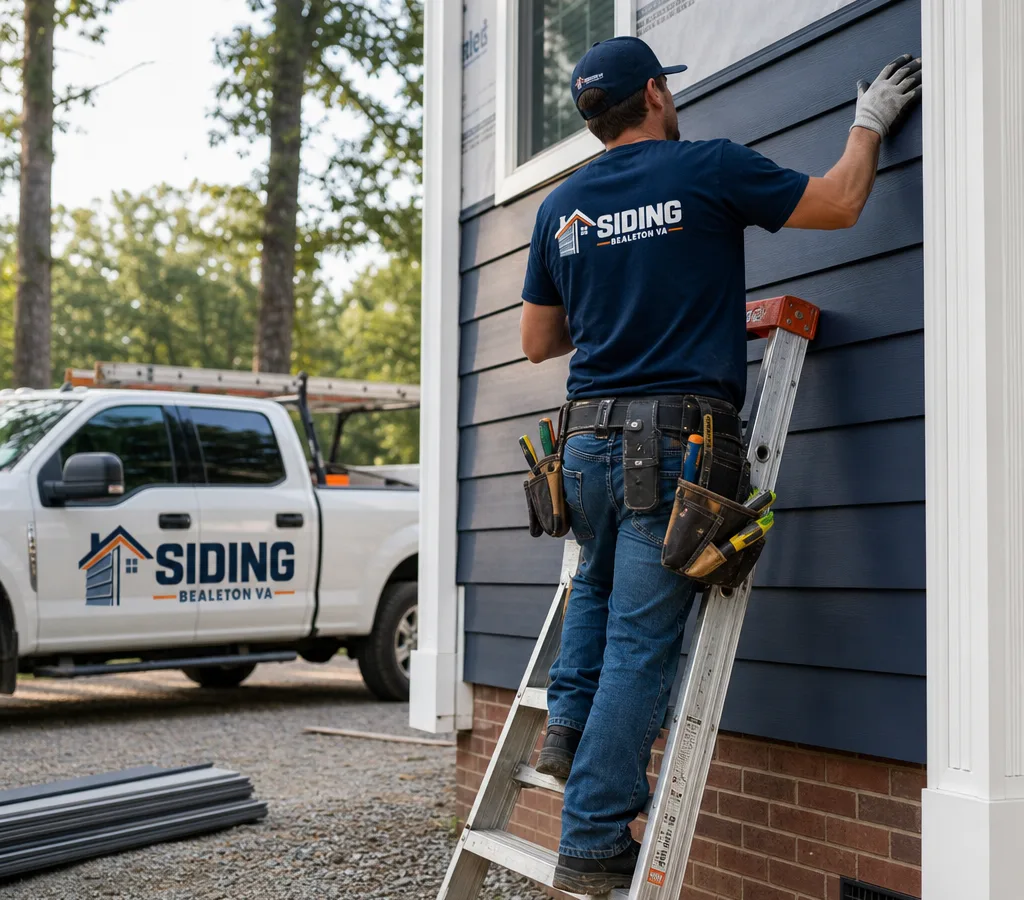
If you are searching for Bealeton vinyl siding, you are usually trying to solve a practical problem: faded or brittle cladding, rising maintenance, water getting behind old siding, or an exterior that looks tired. Vinyl siding is a strong choice for many homes in ZIP 22712 because it gives you a consistent finish, strong moisture management when installed correctly, and a wide range of colors and profiles.
Siding Bealeton VA handles vinyl siding replacement and new vinyl siding installation with a focus on the details that keep walls dry and lines straight. That means proper starter placement, consistent reveals, correct fastener spacing, room for expansion and contraction, and trim work that stays tight at corners, windows, doors, and transitions.
A good vinyl siding job is not only about the panels you see. It is a system: water-resistive barrier (housewrap), flashing, kick-out flashing where rooflines meet walls, and properly integrated J-channel and accessories. When those parts are handled well, vinyl siding Bealeton homeowners install can look clean for years and help protect the structure behind it.
Vinyl siding fails early when water management and movement are ignored. As Bealeton's local siding contractor, we treat these fundamentals as part of the plan, not add-ons:
If you are comparing bids, ask each contractor to describe their approach to housewrap and flashing in plain language. The best-looking siding will not make up for water getting behind the wall.
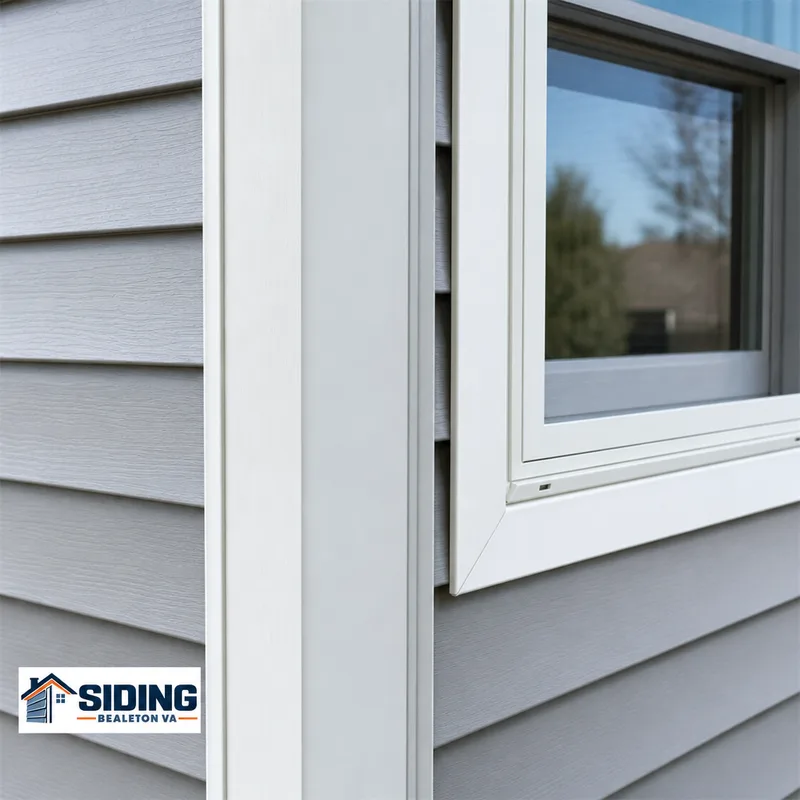
Remove worn siding, correct substrate issues, update the weather barrier and flashing details, then install new vinyl with clean trim lines.
Replace sections of damaged sheathing, address soft spots around windows and doors, and correct problem transitions before new siding covers them.
Tie vinyl siding into soffit and fascia lines for a finished roof edge while preserving clean venting details and attic airflow.
Upgrade corner posts, window and door trim, and finish accessories so the exterior looks intentional instead of piecemeal.
Choose between traditional lap, Dutch lap, and vertical accents in colors that fit the home's style and neighborhood look.
Confirm flashing, seal points, and penetrations so bulk water sheds out rather than entering the wall assembly.
We walk the exterior, confirm what stays and what goes, and talk through panel style, color, trim approach, and problem areas that need repair before siding starts.
Once the scope is set, materials are ordered and the schedule is planned around delivery and weather. We also discuss access, parking, and daily cleanup expectations.
If old cladding is removed, we protect landscaping and stage debris handling. The substrate is inspected and damaged areas are addressed before the new installation.
Starter strips, corners, and panels are installed with correct fastening and spacing, followed by trim, transitions, and accessory tie-ins.
We make a final pass for alignment, trim fit, and cleanup, then walk the home with you so small adjustments are handled before completion.
Vinyl is the most affordable siding material in the Bealeton market. Most vinyl jobs on an average single-family home run about $9,000 to $22,000, with standard-profile panels at the lower end and insulated or premium profiles toward the upper end. That is typically 20 to 35 percent below fiber cement for the same wall area, which is why vinyl stays the most common choice in Fauquier County.
Within vinyl, price moves with panel grade and thickness, whether you choose insulated backing, the trim and corner post detail you want around windows and doors, and color availability in the profile you pick. The exact cost is confirmed after an on-site measurement and exterior inspection.
Many problems show up after the last panel is snapped in. A few direct questions during the estimate stage help you compare contractors on the parts that matter.
Ask about wall prep. Are they planning to remove existing siding or install over it? If installing over, how do they correct waviness or handle areas where moisture may be trapped? Ask how they handle soft sheathing if they find it during tear-off.
Ask about water control details. Vinyl is not waterproof on its own. You want a clear plan for housewrap and flashing at windows, doors, hose bibs, dryer vents, and other penetrations. Also ask about kick-out flashing at roof-to-wall intersections when applicable.
Ask how they manage movement. Vinyl expands and contracts. The contractor should discuss appropriate clearances, fastening without pinning panels tight, and using the correct accessories to prevent rippling or buckling later.
If you are also comparing companies more broadly for exterior work in Bealeton, review what is included when working with a siding contractor in Bealeton so you know what a complete scope should cover.
Yes. In the Bealeton market vinyl typically runs 20 to 35 percent less than fiber cement for the same wall area, once material and labor are both counted. Fiber cement costs more up front and takes longer to install because it is heavier and needs cutting and painting, while vinyl arrives finished. The tradeoff is impact resistance and the look of a thicker board, which is why some homeowners still choose fiber cement on street-facing elevations.
Sometimes, but it depends on what is already on the wall and whether the surface is flat and dry. Installing over existing material can hide damaged sheathing, trapped moisture, or unevenness that will telegraph through the new finish, so an on-site inspection is the right way to decide.
The biggest cost drivers are the size of the home, the number of stories, tear-off and disposal, trim complexity around windows and doors, and any repairs to sheathing or flashing discovered during prep. Material choices also matter, including panel thickness, profile, and the amount of matching trim and accessories required.
Vinyl siding can help protect the structure only when the wall assembly is detailed correctly with housewrap and flashing; it does not fix existing rot by itself. If there is rotted sheathing or trim, the right approach is to repair the damaged areas and correct the water entry point before the new vinyl goes up.
You should expect landscaping protection where needed, controlled debris handling, and a daily jobsite tidy-up. Tear-off generates nails and small fragments, so a thorough ground sweep and magnet pass during and after the job is a reasonable expectation.
Both are common. If you have storm damage, loose panels, or a section that has cracked or warped, repairs can be a good option when the rest of the siding system is still in good shape. If issues are widespread or wall prep is failing behind the siding, replacement is often the more reliable fix.
Tell us what you want to change and what problems you are seeing. We will inspect the exterior, recommend the right prep and detailing, and provide a written scope for a clean vinyl siding install.